High Satisfaction Rate
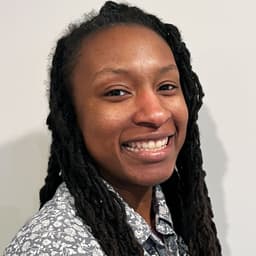
Syrèa Thomas
LCSW
Virtual
Specializes in ADHD, Anger Issues +15 moreI work with individuals experiencing trauma, anxiety, depression, major life transitions, grief/loss, minority issues, relationship issues, sexual orientation, and gender identity and exploration. I feel my role is to prioritize creating a safe space that is non-judgmental and comfortable so each person can go on a journey of self-discovery. I want all my clients to be able to build the skills they want for emotional regulation, healing, and self-awareness. I know therapy can be a difficult step for people, but I will be there with you each step of the way.Next available:Mon Oct 12 @ 2PM
Narrow your search by adjusting your preferences above, or
Find a therapist in Ohio who fits what you're looking for. Browse 10 licensed therapists in Ohio and filter by specialty, insurance, availability, and more to narrow your options. You can review each therapist's background, areas of focus, and approach to care to decide who feels like the right fit.
If you're not sure where to start, Octave can match you with a therapist in Ohio based on your needs and preferences, making it easier to move forward with confidence.High Satisfaction Rate

Elaine Argueta
LCSW
Virtual
Specializes in Anxiety, Burnout +16 moreI have a very empathic style and I've treated people with various issues in different stages of their lives. I would love to help you create the changes you are seeking and in turn, find your authentic self. I am client-centered and my approach is individualized to meet your personal needs and goals. I feel that therapy is not a one-size-fits-all approach, and together we could find and work on the issues that you feel or holding you back from having the life you want to be living. I have been a clinical therapist for over 15 years.Next available:Thu Oct 15 @ 4PM
- Get A Cost Estimate
Get a detailed cost estimate
We can determine what you can expect to pay for therapy sessions by looking up your plan information.
It typically takes less than a minute.
High Satisfaction Rate

Teressa Crawford
LPC
Virtual
Specializes in Anger Issues, Anxiety +9 moreMy therapy style is warm, steady, and practical, offering a space where clients can slow down and feel supported. I focus on helping people understand their patterns, reduce emotional overwhelm, and build coping tools that create meaningful, lasting change. With over 15 years of experience as a licensed clinician, I blend talk therapy, CBT, and solution-focused strategies to provide guidance that feels clear and achievable. My approach is collaborative and nonjudgmental, empowering clients to feel grounded, capable, and confident as they navigate life’s challenges.Next available:Tue Oct 13 @ 2PM
High Satisfaction Rate
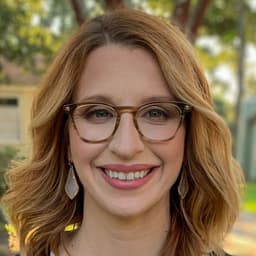
Nina Blanchard
LPCC
Virtual
Specializes in Anger Issues, Animal Loss +13 moreI work collaboratively and supportively to help you navigate life’s challenges and reach your goals. Together, we create a safe space where you feel heard and understood, build practical skills, increase self-awareness, and tap into your strengths. I support individuals facing stress, anxiety, and life transitions. My approach is flexible and tailored to you, with the goal of helping you feel more empowered, confident, and resilient.Next available:Sat Oct 17 @ 4PM
High Satisfaction Rate

Zina Petrov
LPC
Virtual
Specializes in ADHD, Anger Issues +22 moreSpeaks RomanianI focus on an integrative process that balances addressing immediate, practical concerns with deeper emotional processing, particularly for those navigating burnout or complex relational issues. My training began overseas, and this multicultural background allows me to bring a broad, fresh perspective to our work together. I provide a unique combination of depth without “fluff” and pragmatism without reductionism. My goal is to offer the insight and skills necessary to help you move from feeling stuck to feeling capable. I frequently use CBT, IFS, and Sensorimotor Psychotherapy to support meaningful, lasting change.Next available:Mon Oct 12 @ 8PM
High Satisfaction Rate
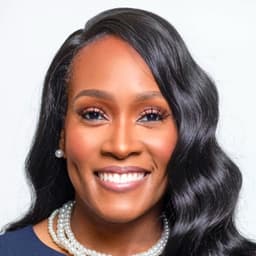
Erica Lee
LCSW
Virtual
Specializes in Anger Issues, Anxiety +9 moreI utilize Cognitive Behavioral Therapy and Solution Focused Therapy as my primary approaches. I focus on identifying and changing negative thought patterns and behaviors while helping you develop solutions to address your concerns. I work with adults experiencing anxiety, depression, relationship issues, stress, and women's issues. I tailor sessions to meet the needs of each individual. My goal is to create a safe, calm, relaxed, and supportive environment where you feel comfortable and secure. I create a nonjudgmental space and strive to ensure that you feel heard, respected, and valued.Next available:Mon Oct 12 @ 5PM
High Satisfaction Rate

Jasany Jenkins
LCSW
Virtual
Specializes in ADHD, Autism +2 moreI am passionate about working with adults ready to unlearn perfectionism, release unhelpful survival strategies, and reconnect with their authentic selves. Using DBT and EMDR, I help clients find language for their truth and tools for nervous system care. Our work isn’t about fixing you—it’s about coming home to yourself. Sessions blend conversational and educational approaches, offering understanding while providing concrete tools. My work is neurodivergent-affirming, client-centered, and trauma-responsive.Next available:Wed Oct 14 @ 5PM
High Satisfaction Rate

Renee Anderson
LPCC
Virtual
Specializes in Anxiety, Caregiver Burnout +6 moreAnxious? Stressed? Facing relationship challenges or struggling with loss and grief? You don’t have to go through it alone. I work with people experiencing anxiety, stress, relationship issues, and grief to help them manage life’s changes and build healthier connections. Together, we’ll work toward the growth and balance you want to achieve. I can help you.Next available:Wed Oct 14 @ 7PM
Frequently asked questions about therapists in Ohio
What matters for your care is that your therapist is licensed in the state where you live. To see an Octave therapist, you are matched with a clinician licensed in Ohio, whether you meet online or in person. Some licenses fall under interstate agreements that let a therapist practice in more than one state, but you never have to sort that out yourself. Octave confirms every therapist is licensed to work with Ohio residents before matching you.
To practice in Ohio, a therapist must hold an active Ohio license. That means completing a master's or doctoral degree in a mental health field, finishing thousands of hours of supervised clinical work, and passing a national or state licensing exam. Licenses are renewed on a schedule and require ongoing education. Every Octave therapist practicing in Ohio holds a current Ohio license, reviewed by our clinical team before they join.
Ohio therapists practice under several license types, most commonly Licensed Clinical Social Workers (LCSW), Licensed Marriage and Family Therapists (LMFT), and Licensed Professional Counselors (LPC). You may also work with psychologists who hold a PhD or PsyD. All are qualified to provide talk therapy, and the right fit depends on what you want to work on more than the letters after their name. Octave works with licensed therapists across these credentials in Ohio.
Yes. If your Octave therapist in Ohio is not the right fit, you can switch at any time at no additional cost. Finding the right match matters more than getting it right on the first try, and it is common to need a session or two to know. Just let us know and we will help you find another licensed Ohio therapist who suits your needs.
No. You do not need a diagnosis, a referral, or a specific reason to start therapy in Ohio. Many people see a Ohio therapist to work through stress, relationships, life changes, or feelings that are hard to name. Your therapist focuses on your goals and what you want to get out of care, not on putting a label on you.
Start with what you want to work on, then look for a Ohio therapist whose experience and approach match. Practical fit counts too: whether they take your insurance, their availability, and whether you feel comfortable with them. With Octave, you answer a few questions during intake and get matched with a licensed Ohio therapist who fits your needs, so you do not have to sort through directories on your own.
Look for an active Ohio license, which confirms the therapist has met the education, training, and exam requirements to practice in Ohio. Common credentials include LCSW, LMFT, and LPC, along with psychologists who hold a PhD or PsyD. Beyond the license, check that their experience lines up with what you want to work on. Every Octave therapist in Ohio is licensed and reviewed for credentials, experience, and clinical approach before joining the platform.
In everyday use, "therapist" and "counselor" often mean the same thing: a trained professional who provides talk therapy. Both can be licensed to treat mental health concerns, and what matters most is their license, training, and experience, not the title they use. Octave connects you with licensed Ohio therapists whose background fits what you are looking for.
A therapist provides talk therapy to help you work through thoughts, feelings, and behavior. A psychiatrist is a medical doctor who can diagnose conditions and prescribe medication. Some people work with both. Octave provides therapy in Ohio, and if medication is something you want to explore, your therapist can talk it through with you and help coordinate care with an outside prescriber.
"Therapist" is a broad term for any licensed professional who provides talk therapy. A psychologist is one kind of therapist, someone with a doctoral degree (PhD or PsyD) who may also do psychological testing. Both provide therapy, and for most people the choice comes down to fit and experience rather than the specific degree. Octave works with licensed Ohio therapists across these backgrounds.
The most important things are a valid Ohio license, experience with what you want to work on, and an approach you feel comfortable with. Practical details matter too: whether they are in-network with your insurance, how soon they are available, and whether you connect with them in early sessions. Octave weighs these factors when matching you with a licensed Ohio therapist, so you are paired with someone who fits both your needs and your schedule.